
12 Small Stanley Park Rituals That Define Living Near It

People who don’t live near Stanley Park treat it like a destination. People who do treat it like a habit.
This isn’t a list of attractions. It’s the small, repeatable things that quietly define what the park actually is in daily life around Vancouver. If you recognize these, you’ve crossed the line from visitor to regular.
1. The Same Stretch of Seawall You Keep Returning To
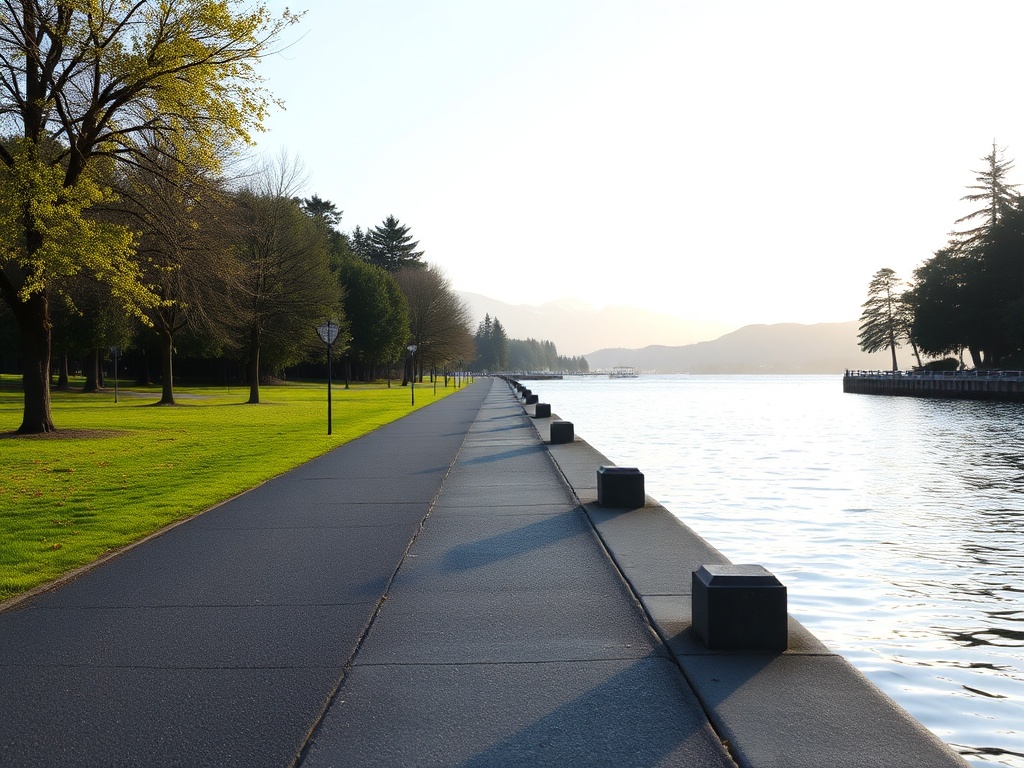
Ask anyone local and they’ll have a “their section” of the seawall. Not the whole loop—just a stretch they default to.
It’s familiar, predictable, and somehow never boring.
2. Cutting Into the Trees Without Thinking About It
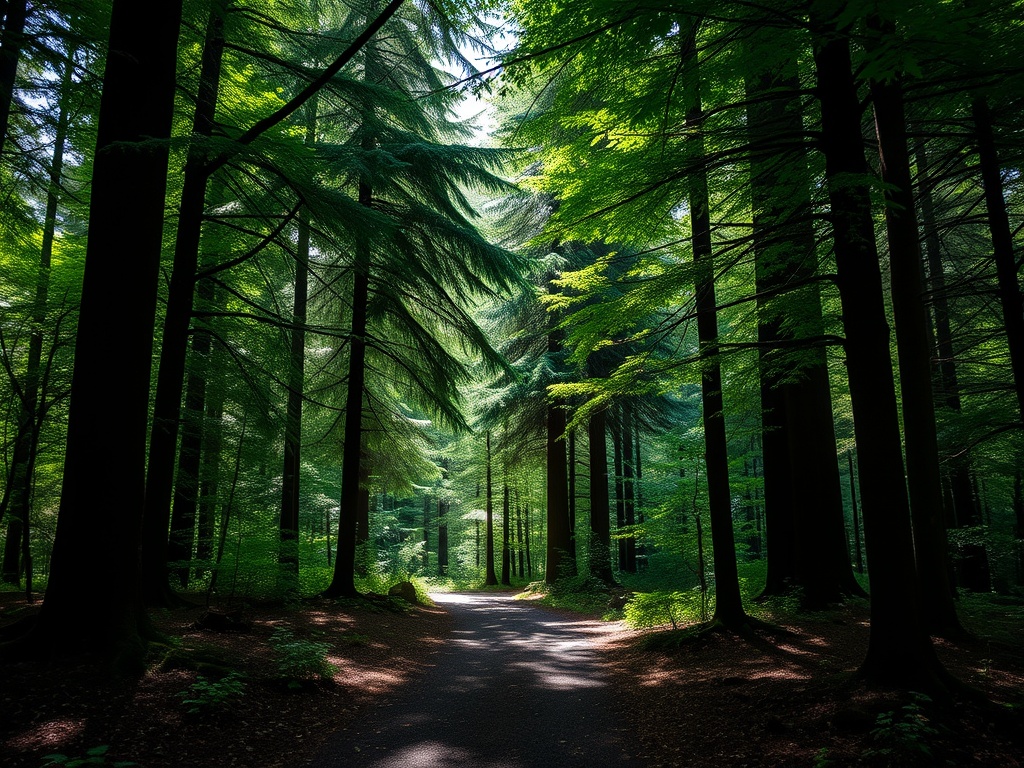
You start on a main path, then drift into the forest without planning to. It becomes automatic.
The shift from open space to dense trees is part of the rhythm.
3. Knowing When Prospect Point Isn’t Worth It

Locals don’t always go. They know when it’s too busy—and when it’s just right.
Timing matters more than the viewpoint itself.
4. Passing the Totem Poles Without Stopping Every Time
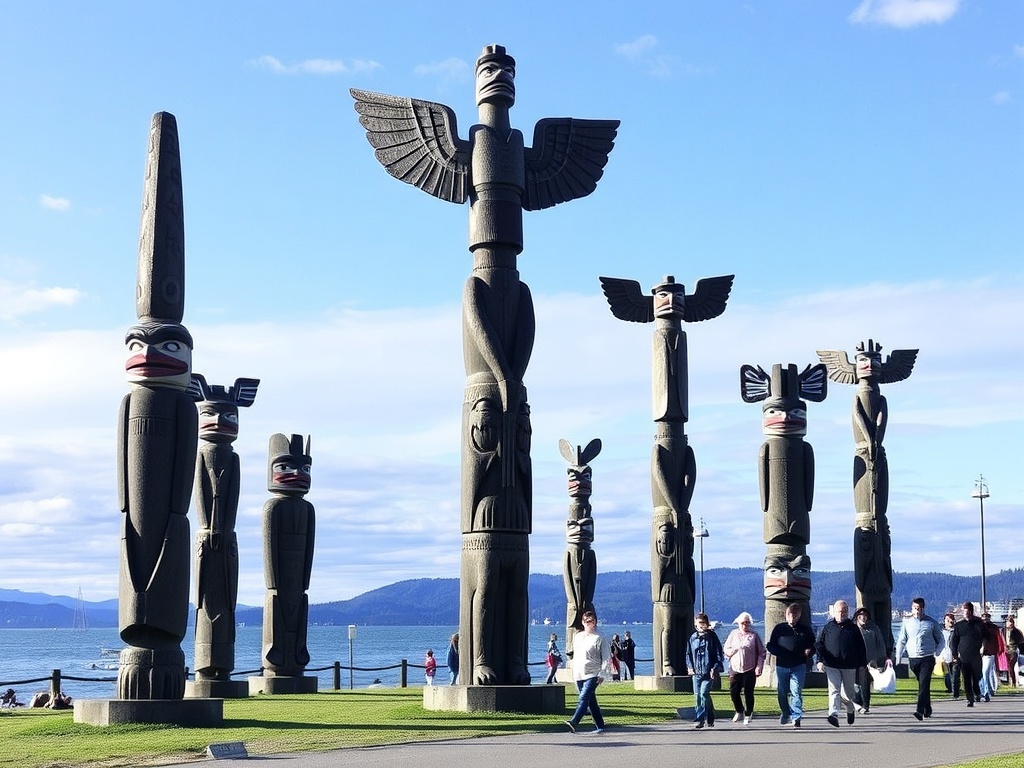
The first few visits, you stop. Later, you pass by, but you still notice them.
They become part of the background in a way that still holds meaning.
5. Defaulting to Third Beach Without Debating It
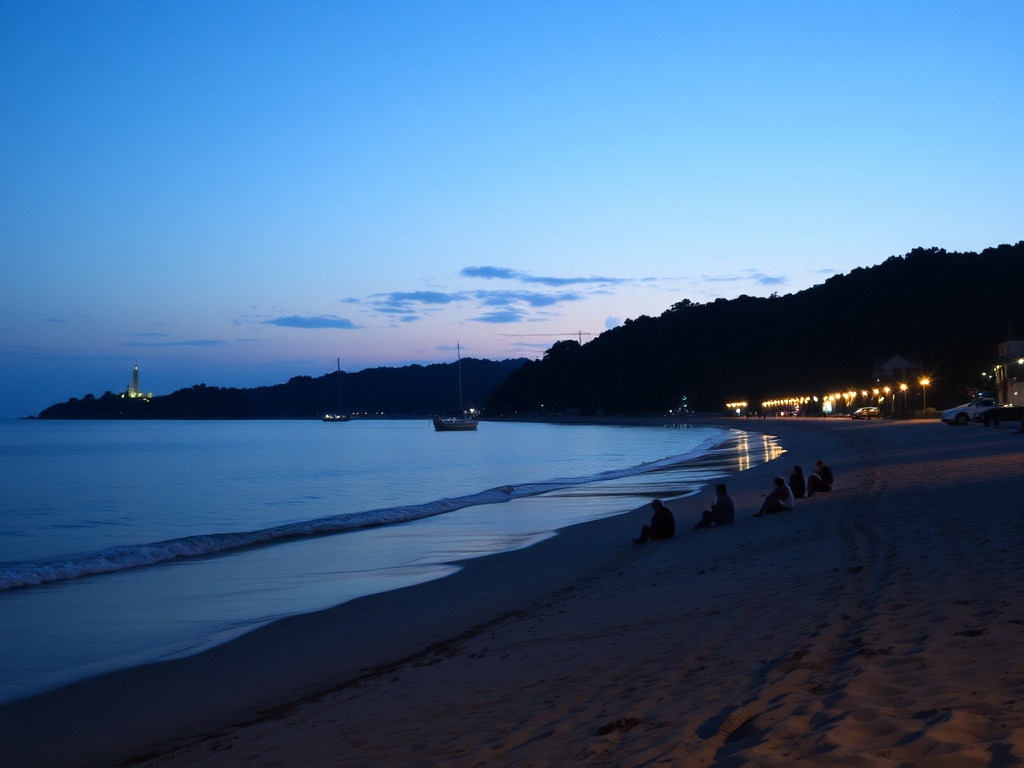
No group chat needed. No discussion. Third Beach is just where you end up when the day winds down.
6. Treating the Bike Loop Like a Reset Button
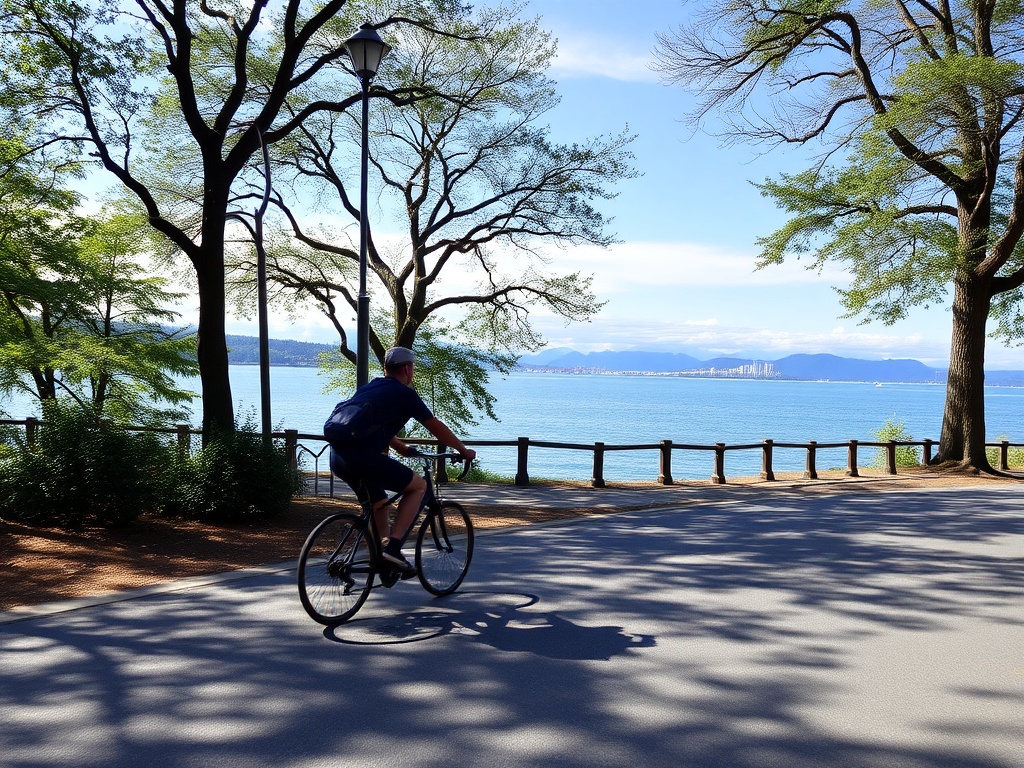
One loop clears your head. Two loops means something’s on your mind.
It’s less about exercise and more about recalibration.
7. Slowing Down at Siwash Rock Every Time

No matter how many times you’ve passed it, you ease off your pace here.
It’s a built-in pause.
8. Finding Your Own Unspoken Picnic Spot
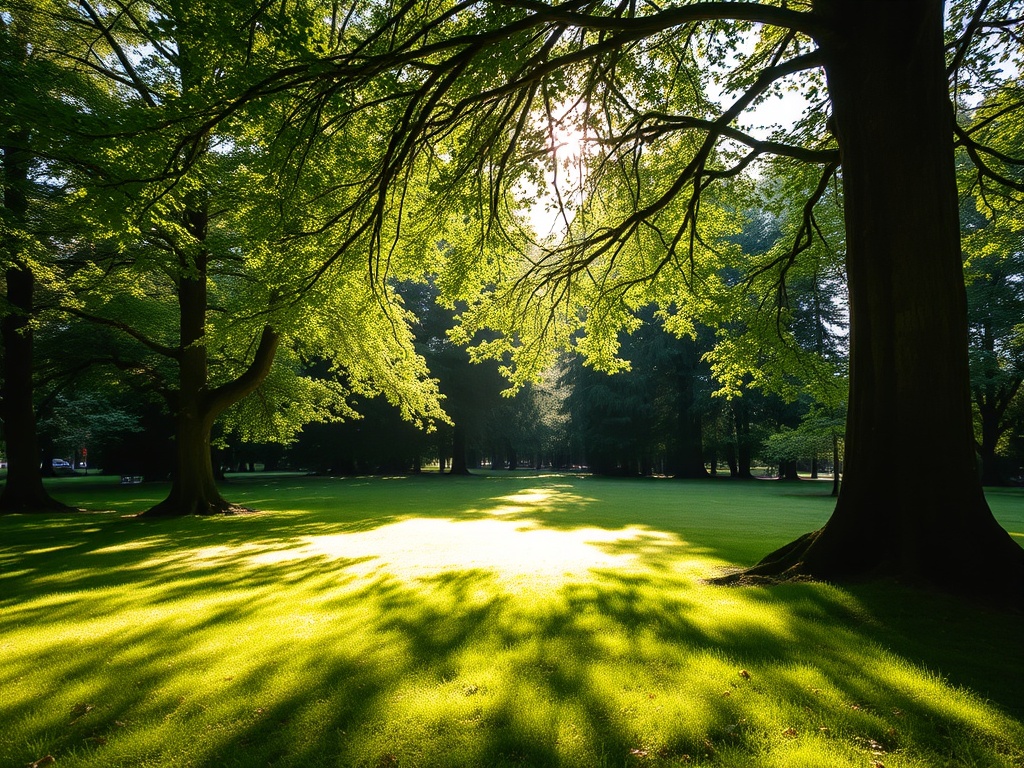
Everyone who spends enough time here finds one. It’s not marked, not shared widely, and not obvious.
9. Circling Back to Lost Lagoon Without Planning To
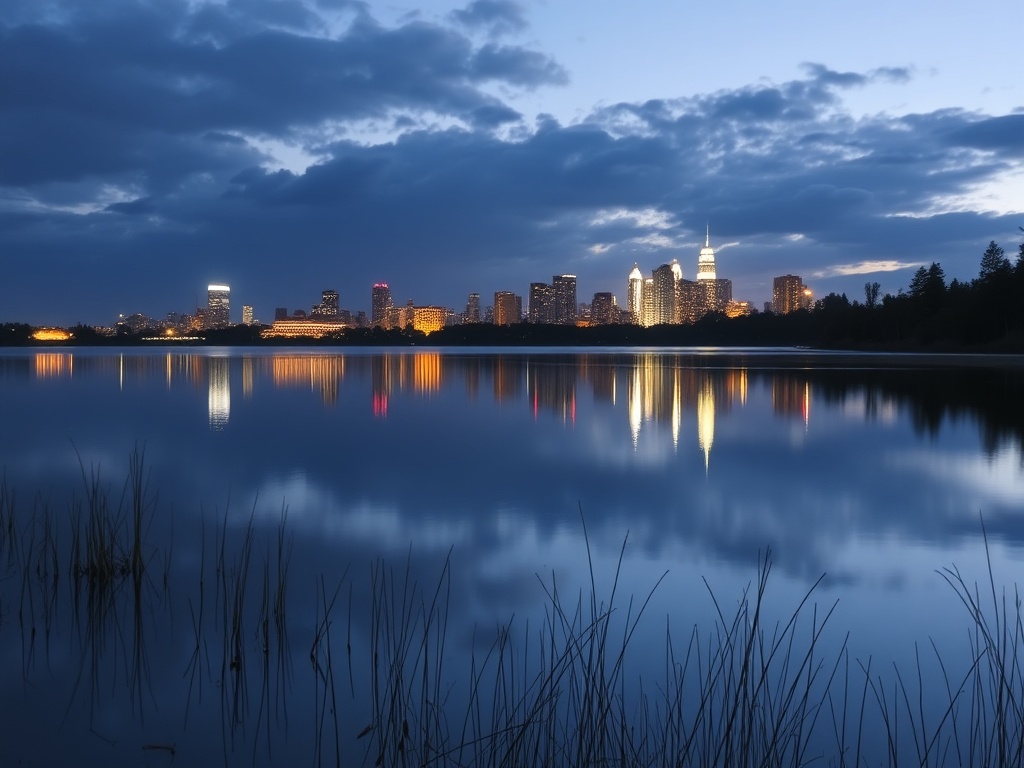
You leave the park, then somehow end up back at Lost Lagoon. It happens more than you’d expect.
10. Accepting That Beaver Lake Is About the Mood, Not the Wildlife
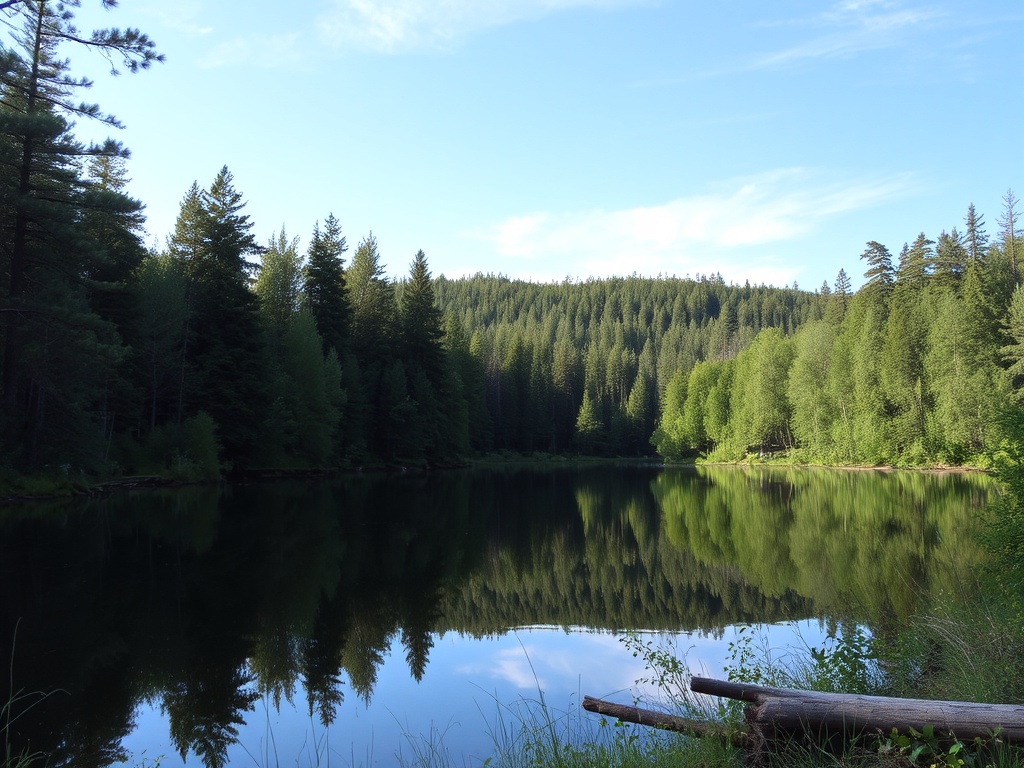
It’s not about seeing anything specific. It’s about how still it feels compared to everywhere else.
11. Avoiding Midday Without Saying It Out Loud
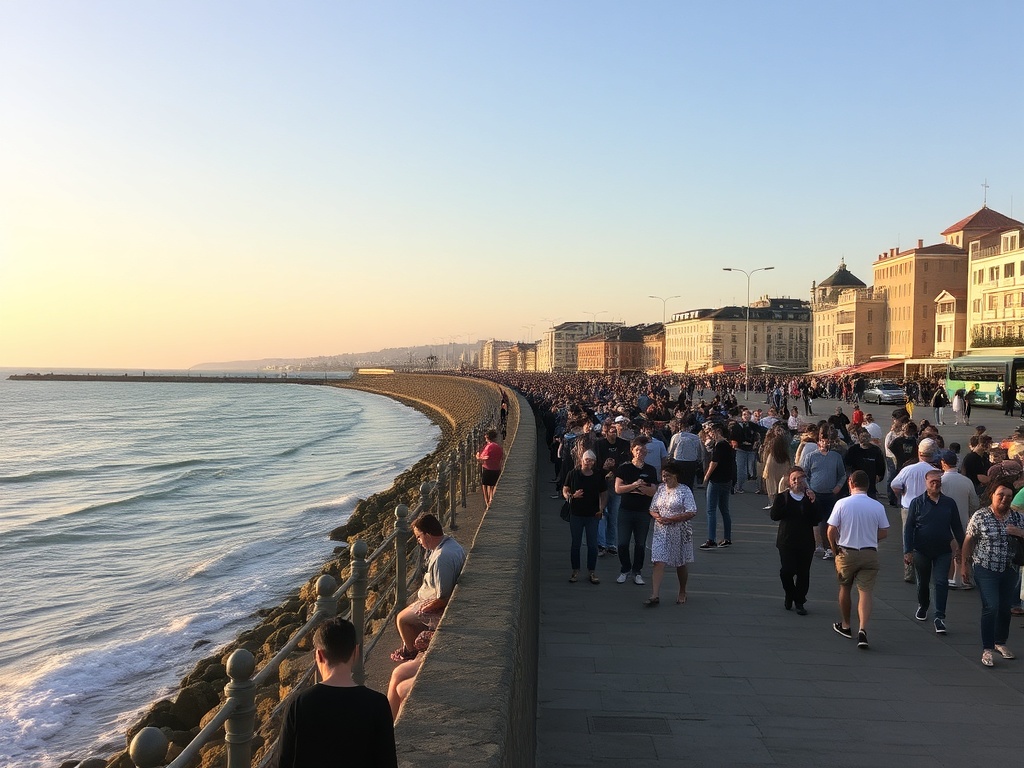
Locals adjust their schedules instead of complaining about crowds. Early or late becomes second nature.
12. Leaving Before You Feel Done

You don’t try to finish the park. You leave while it still feels good, knowing you’ll be back.
Bottom line: Stanley Park isn’t a checklist—it’s a pattern. Once it becomes part of how you move through the week, it stops being somewhere you go and starts being something you rely on.