7 Ways Our Community Can Protect the Ancient Forests of Stanley Park

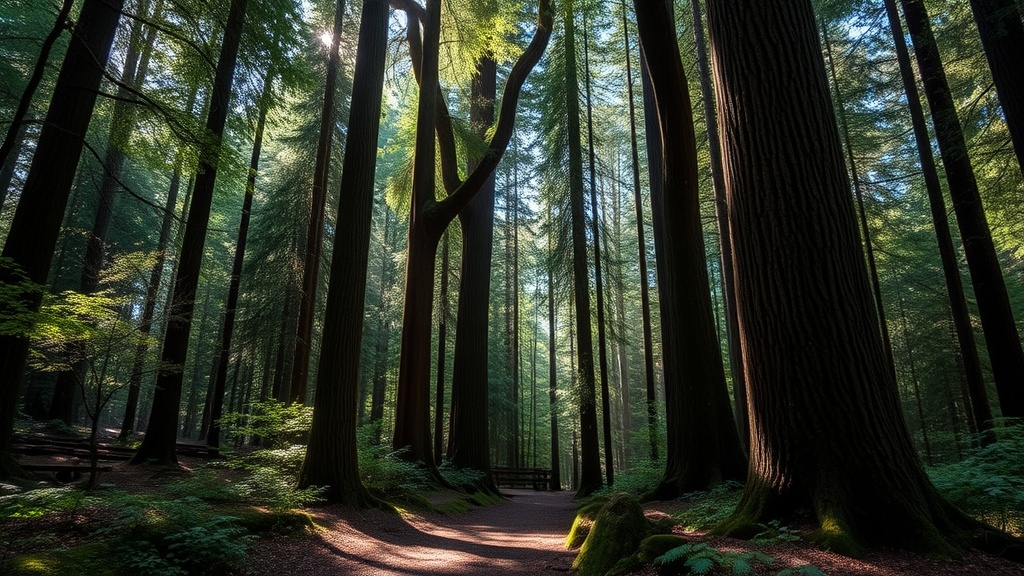
Did you know that Stanley Park is home to more than half a million trees, with some of our oldest Douglas firs and Western Red Cedars standing tall for over 400 years? It is a staggering statistic that reminds us why this forest is the heart of our community. For those of us who live in the area, these giants aren't just scenery (I hate using the word space, but you get the idea). They are our neighbors. We breathe the air they filter and walk the trails they shade. However, between shifting weather patterns and local insect outbreaks, the forest in Stanley Park is facing some of its toughest years in recent memory. We have to be proactive about preservation if we want the next generation of locals to enjoy the same canopy we do today.
Why are certain areas of Stanley Park still restricted after recent windstorms?
It is a question we hear at every community meeting and see on every local message board. Many of us have noticed the yellow tape and the "Area Closed" signs near the interior trails of Stanley Park. While it might seem like the Park Board is being overly cautious, the reality is far more complex. Recent wind events have hit our forest hard, but the real culprit is often the hemlock looper moth infestation that has weakened thousands of trees. These insects have turned sections of the park into standing tinder, making the risk of falling limbs—or "widow-makers" as the old-timers call them—a very real threat to our safety. By keeping people out of these zones, officials are trying to prevent accidents while they manage the slow process of hazard tree removal.
As residents, we have to respect these closures. I know it's frustrating when your favorite morning loop is cut off, but cutting through the tape damages the sensitive undergrowth that is trying to recover. When we ignore these signs, we aren't just risking our own necks; we are putting a strain on the emergency services that have to find us if something goes wrong in the dense brush of Stanley Park. Instead of complaining, we should be looking at the long-term health of the ecosystem. The Park Board's current plan involves removing nearly 150,000 dead or dying trees to reduce fire risk, a move that has sparked plenty of debate in our community. You can read more about the official Stanley Park management plans to see exactly which sections are being prioritized for work this season.
How can our community help monitor invasive species in Stanley Park?
Most of us don't think twice about the ivy growing on the side of a building, but in the context of Stanley Park, it is a silent killer. English Ivy is one of the most aggressive invasive species we deal with in our community. It climbs the trunks of our native maples and cedars, adding immense weight to the branches and eventually suffocating the tree by blocking sunlight. We often see these "ivy blankets" along the edges of the park near the West End, where garden escapes have jumped the fence and started to take over the natural forest floor. It is a problem that requires constant vigilance from all of us who call this place home.
One of the best ways to get involved is by joining the invasive species pulls organized by the Stanley Park Ecology Society (SPES). This local organization is the gold standard for conservation in our community. They don't just talk about the problems; they get their hands dirty. By volunteering for a few hours on a Saturday, you can help clear out ivy, Himalayan blackberry, and Scotch broom that threaten to outcompete our native flora. It is also a great way to meet other people who care about the future of Stanley Park. You don't need a degree in biology to make a difference—you just need a pair of sturdy gloves and a bit of elbow grease. Check out the Stanley Park Ecology Society website for their upcoming volunteer calendar and educational workshops.
Protecting the Root Systems Along the Seawall
We often forget that a tree's health starts underground. In Stanley Park, the heavy foot traffic along the Seawall and the perimeter trails can lead to soil compaction. When the ground is packed too tight, water and oxygen can't reach the roots, leading to a slow decline in the tree's health. We can help by staying on the paved or gravel paths and avoiding the temptation to create "social trails" through the woods. It is tempting to wander off for that perfect photo of the mountains, but every step off the trail contributes to the erosion of the very land we love. If we all stick to the designated paths, we give the forest floor a chance to breathe and regenerate naturally.
What are the best ways to report damaged infrastructure along the Stanley Park perimeter?
Living in this community means being the eyes and ears of the park. If you're out for a run and notice a large hanging branch over a trail or a clogged drainage pipe that is causing a flood near the forest edge, don't assume someone else has reported it. The city's maintenance crews are stretched thin, and they rely on local reports to prioritize their work orders. The fastest way to get something fixed is to use the Van311 app or call 3-1-1 directly. Be specific about the location—use trail names like the Rawlings Trail or the Cathedral Trail, or reference nearby landmarks like Prospect Point or the Hollow Tree. The more detail we provide, the quicker the response will be.
We should also keep an eye on our public services near the park. Things like overflowing trash bins aren't just an eyesore; they attract wildlife like raccoons and coyotes into areas where they shouldn't be. Proper waste management is a key part of tree stewardship because it maintains the balance of the local fauna. When we take care of the small things, it helps the overall health of Stanley Park. It's about taking pride in our surroundings and making sure that the park remains a safe, clean, and vibrant place for everyone in our community. We aren't just visitors here; we are the stewards of this land, and it's our responsibility to speak up when something isn't right.
Engagement in local government is another vital tool for our community. The Park Board meetings are open to the public, and they often discuss tree management budgets and long-term reforestation goals for Stanley Park. If you have an opinion on how the dead trees are being handled—whether you think the removal is too aggressive or not fast enough—those meetings are the place to be heard. We shouldn't wait for a crisis to start paying attention to how our local resources are being managed. Staying informed through local news outlets like the CBC British Columbia section can help us understand the broader context of urban forestry in our province. By staying active and informed, we ensure that Stanley Park remains the crown jewel of our community for centuries to come.